In 1999, ITG was founded to coordinate the different interests of the non-Mongolian partners in the takhi’s reintroduction into the Great Gobi B. It operates offices in Europe and Ulaanbaatar (Mongolia) which work closely together. Both offices also maintain regular contact with staff at Takhiin tal (GGB SPA), thus, being in contact with the protected area management and the local nomads.
ITG acts as a specialist’s organization which provides its know-how to the project and contributes significantly to the financing of through the parallel organization “Friends of the Wild Horse“. It is important to know that all work of the ITG-Board is unpaid. All donations go into the activities in Mongolia.
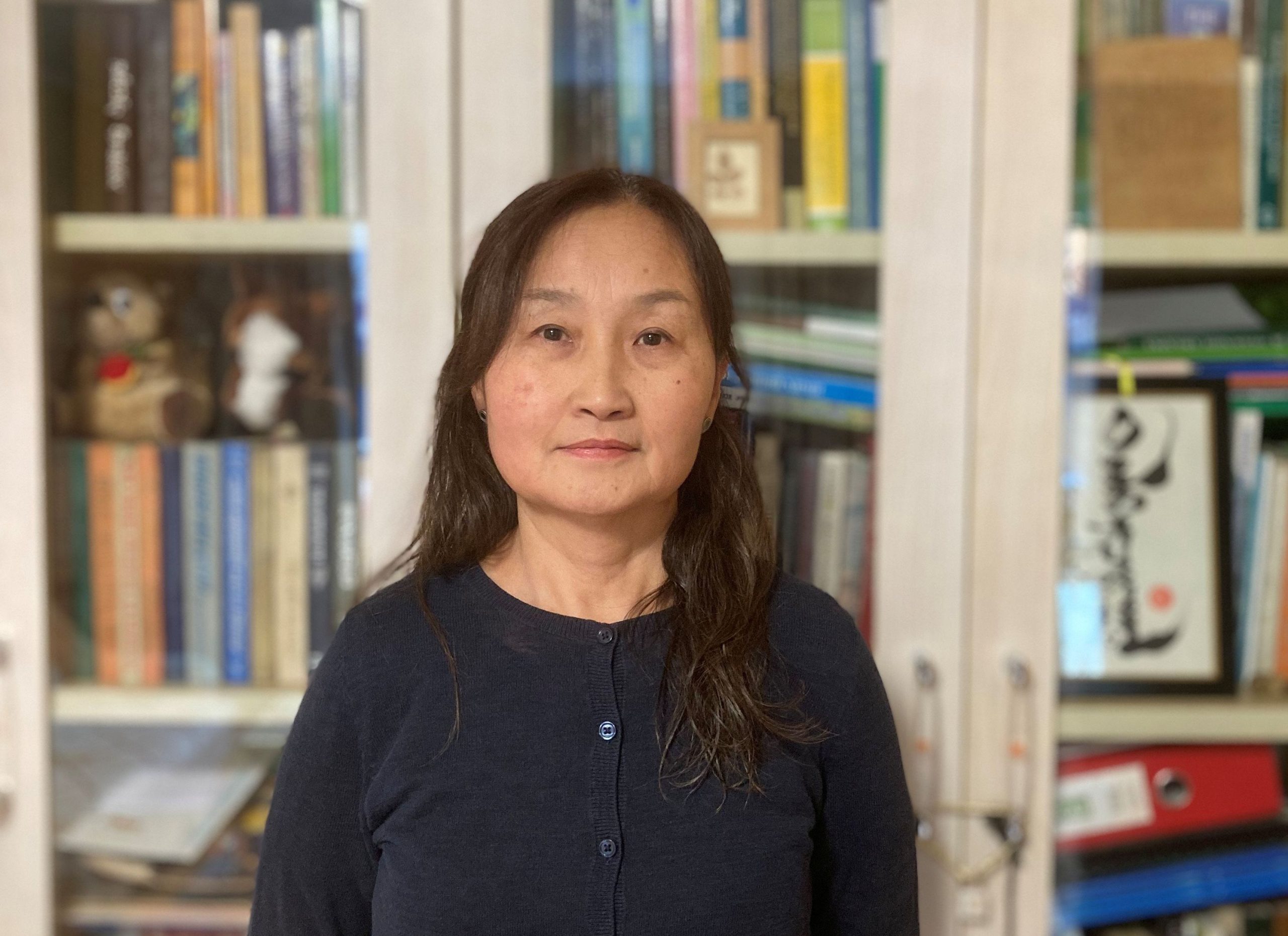
ITG office in Ulaanbaatar coordinates ongoing projects and their funding with the International Takhi Group and the Gobi B SPA-management at Takhiin tal. It maintains regular contact with the Mongolian government and other political decision-makers, as well as with various research and project partners. Its responsibilities also include public relations and fundraising in Mongolia.A research assistant continuously updates monitoring data, writes reports, and assists with fieldwork.
At Takhiin tal Buyantogtokh Dorjbat and Altantsetseg Erdenebayr support the work of ITG. They are closely collaborating with the management of the GGB SPA and with the nomads in the surrounding areas to process livestock-derived raw material to bring products to a fair market and thereby to increase household incomes.
The main focus lies on a sustainable use of pasture and livestock quality (rather than quantity) by enhancing cooperation of herder households and maintaining a cooperative.
ITG Switzerland supports and coordinates ITG’s international activities. The team provides logistical and organizational support for the Board and Bureau, leads outreach and communication efforts, and coordinates socio-economic activities.
ITG Switzerland also serves as the main point of contact for international partners, fostering collaboration and ensuring close cooperation between national and international stakeholders.
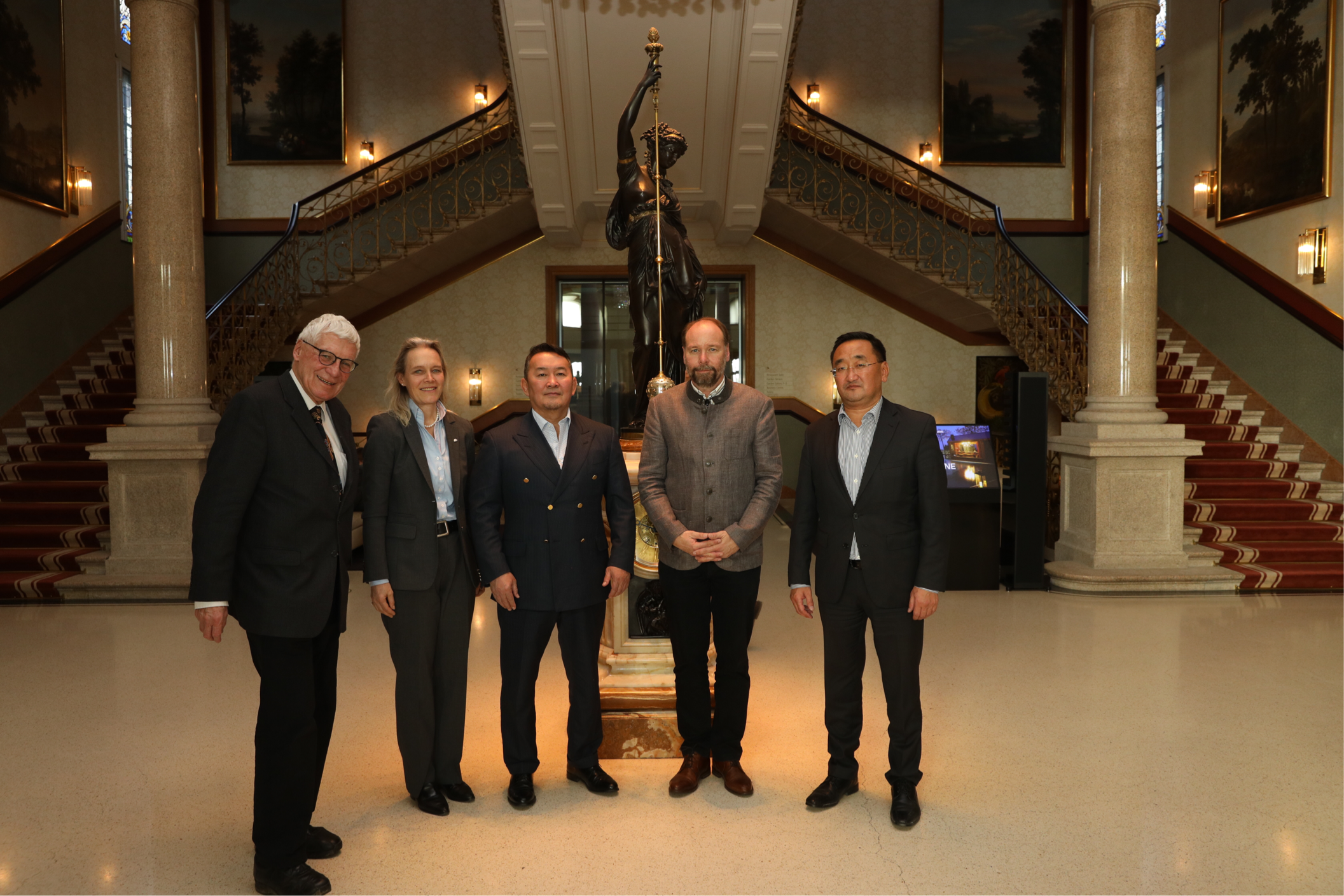
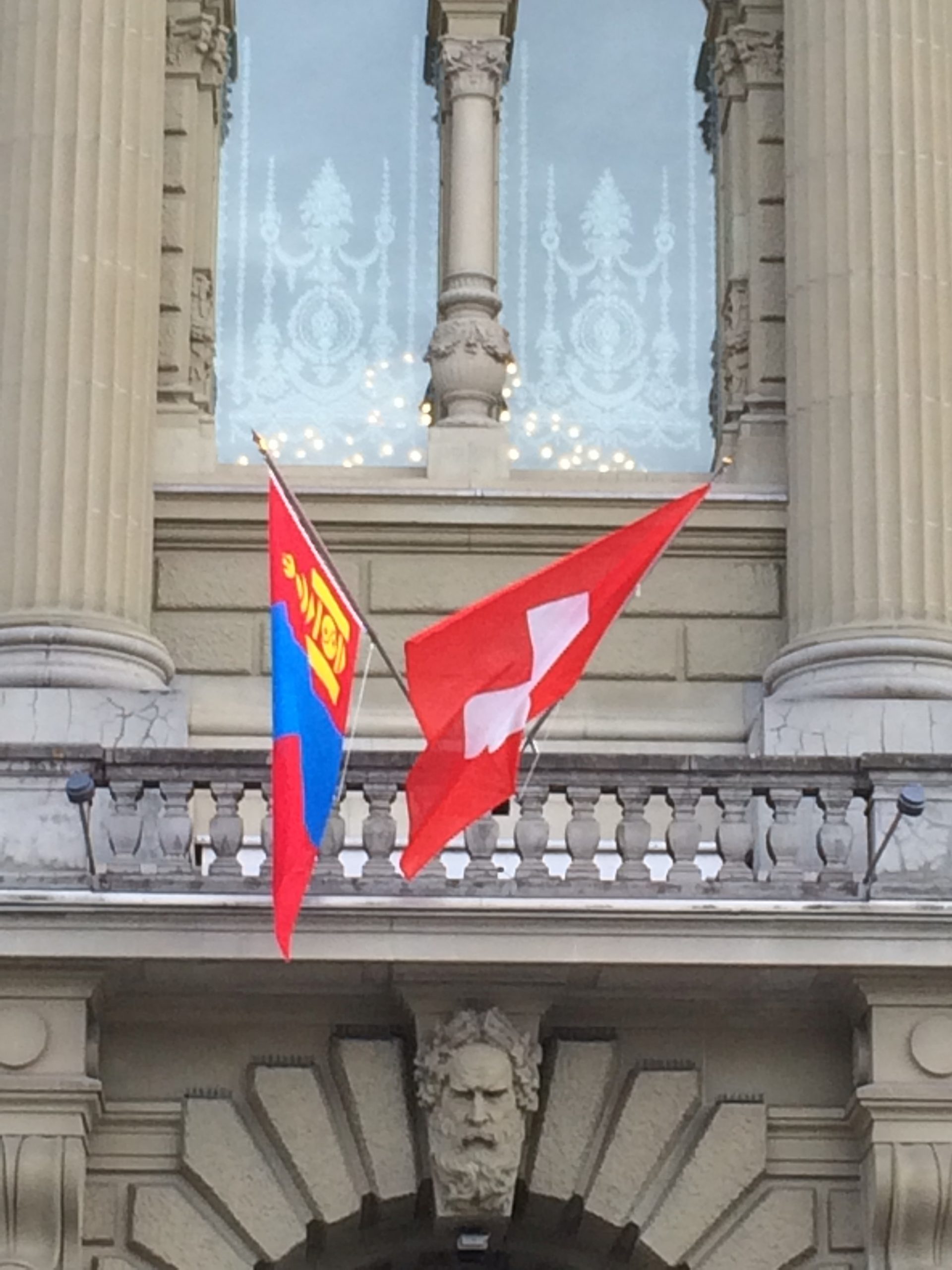
Based on exclusive exclusive contract between ITG and the Mongolian Government the cooperation between the two partners works towards the future development of the Great Gobi B SPA. All activities in the protected area are laid down in the management plan, which is regularly updated by the Mongolian Ministry of Environment and Climate Change (MEEC), the Gobi B management, and ITG. It defines the development and activities for the next period.
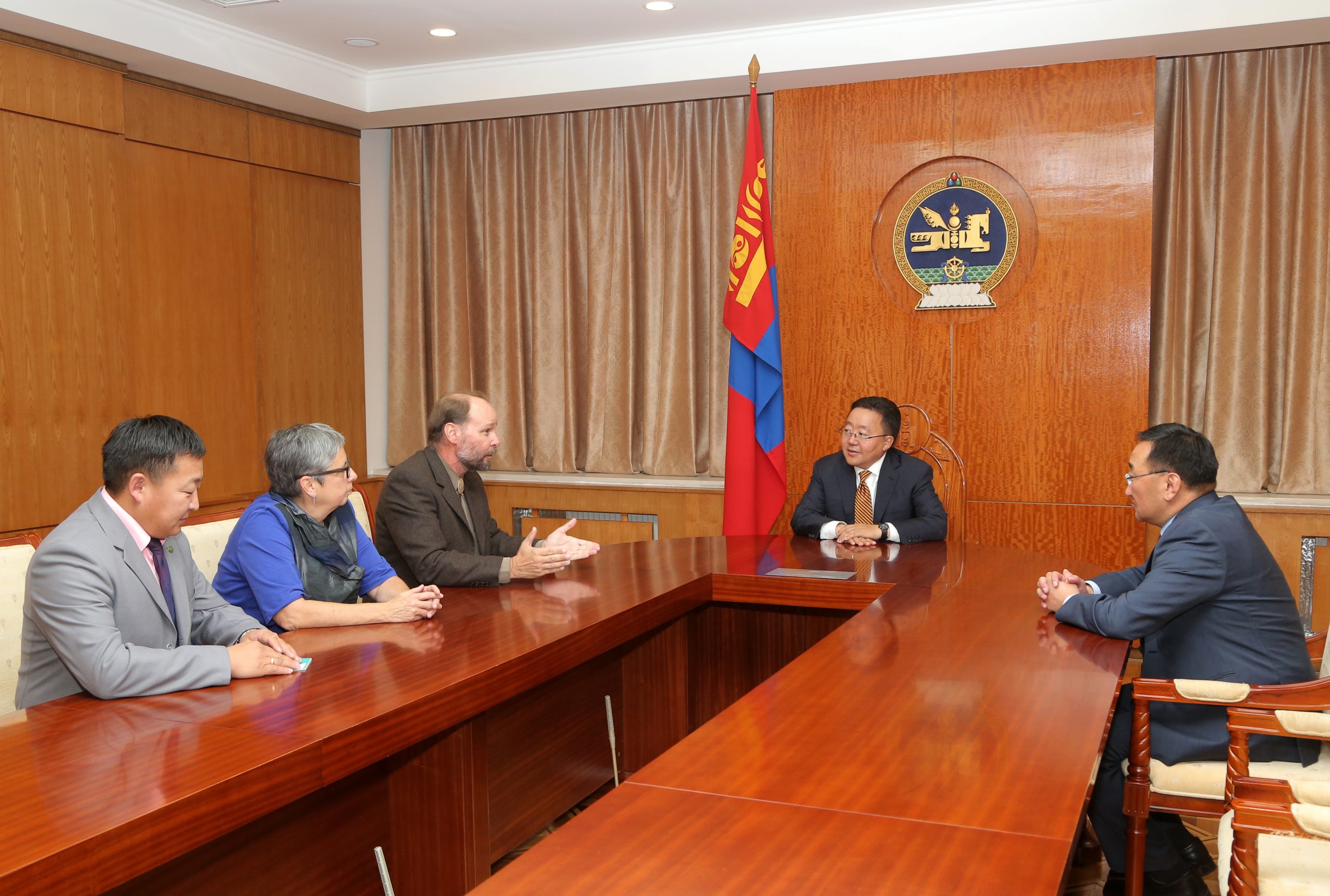
From its initial focus on the reintroduction of the Przewalski’s horse, the strategy of ITG has shifted towards including habitat protection and the preservation of large-scale connectivity between ecosystems and habitats. Accordingly, ITG maintains close ties with the park administration as well as to local, regional, and national authorities in Mongolia.
The goal of ITG is to gradually turn the project into a Mongolian project, providing only advisory and support services. ITG office in Ulaanbaatar is increasingly taking on strategic tasks, and the Mongolian Ministry of Environment and Climate Change is continuously assuming greater authority and responsibility.
An annual meeting takes place between the Mongolian Ministry (MEEC), the management of Great Gobi B SPA and ITG, where activity priorities are defined, and finances are discussed. Based on this, ITG Mongolia and the Gobi B management develop an activity program. Finances for these programs are mainly provided by the Mongolian Ministry of Environment and Climate Change and by ITG. Other parties and partners contribute on a project-specific basis.
Research
Research is covering a variety of topics about wildlife and ecology of the Great Gobi B, in order to perform a good management of all key players within this vast and varying ecosystem. Here you can have a glimpse into the current work and topics of research.
Research in the Great Gobi B SPA is accompanied the Inland Norway University of Applied Sciences (Prof. Petra Kaczensky) as well as by the National University of Mongolia.
Scientific Publications
Socio-Economy
ITG supports the Khuvchiin Tsagaan Sort herders’ cooperative by strengthening its organizational and operational capacity. This includes organizing herder workshops, supporting the development of internal work distribution within the cooperative, facilitating legal support for contract agreements with factories, and enabling participation in the Year of Rangelands and Pastoralists events. ITG also supports the cooperative by purchasing products, helping identify buyers, developing the value chain, and implementing a breeding program.
Tourism
The remote area of the Great Gobi B SPA has hardly been developed for tourism so far. Despite its remoteness, however, this region attracts with the grandiose expanse of this worldwide unique ecosystem and a picturesque, original nomadic culture. In the coming years, soft tourism is going to add to the local population’s sources of income. Through exclusively guided tours the guests’ attention will be drawn both to the special biodiversity in this arid landscape and to the co-existence of wild and domestic animals and their keepers.
If you think about booking a trip to the Great Gobi B SPA, have a look at our travel-partners.
The Przewalski’s Horse Conservation Alliance (PHCA) brings together 11 organizations across Asia and Europe dedicated to the breeding, reintroduction, and long-term conservation of Przewalski’s horses in (semi-)wild conditions. The alliance’s shared goal is to strengthen collaboration and improve conservation outcomes for this iconic species.
PHCA was officially launched at the IUCN World Conservation Congress in Abu Dhabi, United Arab Emirates, on 12 October 2025. Founding members include the International Takhi Group (ITG) and the Great Gobi B Specially Protected Area.
For more than 30 years, numerous initiatives have worked to conserve Przewalski’s horses by maintaining populations in wild or semi-wild environments and by reintroducing the species into its natural habitat. As these projects face similar challenges and pursue common objectives, the need for closer cooperation and structured knowledge exchange became clear.
The concept of PHCA was developed and agreed upon during the Takhi International Workshop in Hustai National Park, Mongolia, in September 2024. This collaboration was formalized through the signing of a Memorandum of Understanding in autumn 2025, officially establishing the Przewalski’s Horse Conservation Alliance.
Since 1992, apart from the Great Gobi B, Przewalski’s horses have also been reintroduced into the Hustai Nuuru National Park, west of Ulaanbaatar with a size of around 600 km2 with a Takhi population of about 350-400 horses and to Khomyn tal (western Mongolia), where another 100 Takhi are living.
The three reintroduction projects closely exchange information and collaborate in political matters. In recent years, animals have been exchanged between the projects to increase the genetic diversity.
During the reintroduction process Wildnispark Zürich/Langenberg animal park and Prague Zoo have played a crucial role in preserving the Przewalski’s horses and are still aiding the reintroduction to several places in Central Asia.
Further important cooperations you find here.